Why Do Background Checks are inaccurate?
Regardless of your job, you will likely be required to complete a background check before you can be hired. It is important that you understand that inaccurate information leads to failing background checks. Other most common reasons are dishonesty and unspent convictions.
Dishonesty
Using an employee background check to screen candidates is a routine procedure for many employers. These checks can include everything from a person’s education and work history to their credit score and criminal history.
The best way to avoid an embarrassing incident is to be upfront with your prospective employer. If you are asked about past crimes, be prepared to tell the truth and to be frank. Some employers are savvy enough to take you at your word.
One of the best ways to avoid getting caught is to use a specialty service to verify your credentials. These services can do everything from verifying that you are in school to checking your credit score to verifying that you haven’t cheated in the past. If you are a college student or a recent graduate, you may be surprised at the amount of information available on your behalf.
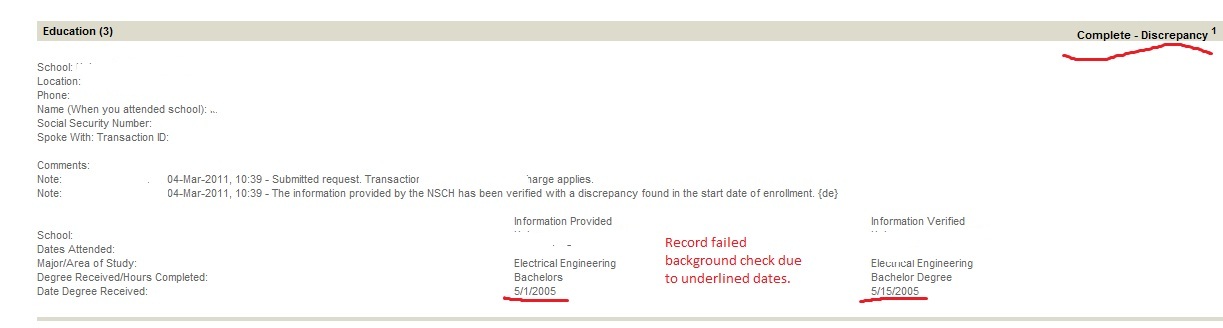
The best way to avoid being caught is to be honest about your education. The truth is, not everyone who goes to school is honest about the degrees they have obtained. Those who can’t handle their workload might resort to cheating, plagiarism, or even joining forces with other students to pass their tests.
Lying about the same old stuff will get you in hot water. In fact, a Google search will show you just how much you are hiding.
The best way to avoid a stinging rejection is to be honest with your prospective employer. Be sure to fill out your job application in a neat and tidy manner. This may be the hardest part of the entire process, but it will pay off in the long run.
A good background check can help you avoid being caught in the worst possible light. The best way to do this is to take the time to read your employer’s requirements carefully. It might take you a few minutes to do so, but it’s time well spent. A good background check will help you land your dream job. The best way to ensure that you are hired is to take the time to be honest.
Unspent convictions
Applicants can’t legally withhold their criminal history from prospective employers. However, it is possible for them to be sacked for failing to disclose their unspent convictions. However, this is only possible if the disclosure of this information was a part of the recruitment process.
A good way to find out whether an applicant is worth the risk is to conduct a basic DBS check. This will give you a decent idea of the applicant’s background and will reveal any relevant information held by local police forces. However, this does not provide you with the full picture.
The DBS code of practice requires all registered employers to be fair and not discriminate against ex-offenders without cause. It also requires that employers conduct a fair disciplinary process for sacking an employee. However, it is still up to the employer to demonstrate that the employee has done something wrong. This is often a matter of the employer showing that their actions are “serious enough” to justify dismissal.
The best way to find out whether an applicant is worth considering is to conduct a DBS check and then ask them about their criminal record. This is particularly important if the employee is applying for an “exempt” position. An exception is a person who has spent a criminal conviction. These are referred to as rehabilitated offenders. The Rehabilitation of Offenders Act 1974 (ROA) gives some protection to minor historic convictions. However, you should be wary of someone who tries to conceal their unspent criminal convictions, as this is considered serious misconduct.
The DBS also offers an enhanced DBS check that will reveal relevant information held by local police forces. This is a bit more expensive but will give you the full picture. If you are considering a DBS check, the DavidsonMorris team are happy to assist you. With over 25 years of experience in the recruitment, vetting and workforce management industry, we have the expertise to help you make your resourcing decisions. Get in touch today for more information. It’s worth the investment.
The DBS code of practice is a good place to start. However, it’s not always clear what information you should be looking for. A professional vetting consultant can help you get the right information in the right format.
False information on the record
Among the many reasons background checks fail is due to inaccurate personal information provided by the applicant. Some applicants provide false personal information for several reasons, including false dates of birth, incorrect social security numbers, and inaccurate residential history.
Incorrect personal information can also affect your employment verification, E-Verify, and credit check. If you are denied a job, it is important to understand what your rights are. There are several options available, including appeals and a civil suit.
Employers may also rescind a job offer based on a false criminal history. Inconsistency in your employment history can raise concerns about your work ethic and integrity. Some employers may also consider your previous boss or co-workers.
Background checks can also fail for minor reasons, such as inconsistencies in your resume or lack of contact with previous employers. These reasons are usually not considered as red flags for employment, and some companies may allow you time to address them.
False criminal information on a criminal record is more likely to be a red flag for employment than other information. It is important to know why your background check failed, so you can take action and remedy the situation.
Criminal background check companies sometimes purchase bulk records without verifying the accuracy of the information. They also fail to update the information regularly. Some companies also do not follow state court procedures and are unaware of local practices.
Incorrect personal information is the most common cause of background check failure. Most of the time, it is a wrong social security number. Some applicants provide an incorrect social security number because they believe it will work in their favor. This may not be the case, however. If your social security number is inaccurate, you will have to correct it before seeking employment.
Depending on the type of job, false information on your resume can result in a job rejection. In addition, many companies have strict policies regarding drug use. If you have a drug history, this can make you a risk to your coworkers.
You can order a background check online or from a service provider. You can also get a free credit report from any agency that operates under the Fair Credit Reporting Act.
Rescinding a contingent job offer after a failed background check
Getting a job offer rescinded can be a stressful experience. There is a process you should follow in order to avoid miscommunications.
You must first know the laws that govern rescinding a contingent job offer. For example, New York City’s Fair Chance Act protects people with criminal histories from discrimination in hiring. It is illegal for employers to discriminate against people of different ethnicities with criminal histories. It also protects pregnant employees.
The Fair Credit Reporting Act (FCRA) is another law that protects consumers from fraudulent practices. If an employer fails to comply with the law, the applicant can file a FCRA complaint with the FTC. This can cost the company a lot of money and can result in huge penalties.
If an employer has a conditional job offer, he or she may be able to rescind it if a background check finds disqualifying information. Generally, a background check consists of an investigation into a candidate’s identity, academic qualifications, driving record, medical history, and credit report.
If the employer rescinds a job offer due to a background check, they must follow all legal guidelines. They must give the candidate a formal letter explaining the rescinding process. This letter can be sent by email or regular mail.
You should also keep all of your background check information for at least two years. This way, if the candidate is ever sued, you can provide proof of the information.
The company must also notify the candidate in writing of the background check results. The candidate should receive a formal letter at least three business days after receiving the results.
A good rescinding offer letter is one that reflects positively on the company. It should explain the reasons for the revocation and invite the candidate to follow up. It should also include an apology.
Removing a contingent job offer after a background check is a difficult decision. However, it can protect your company from legal action. In addition, you should document the entire process.
It is a good idea to talk to your company’s human resources department before making any decision. You also want to consult with your legal team to help you understand any potential liabilities.