What Disqualifies a Background Check?
Whenever you are applying for a job, it is vital that you have a background check performed. However, there are several things that can disqualify a background check, and it is important to know what these are so that you can avoid any problems.
Criminal history
Whether or not a criminal history disqualifies an individual from receiving a job offer depends on a number of factors. The most important is whether or not the offense has a direct relationship to the position. For example, if an applicant’s record includes a felony conviction within the past seven years, the employer may revoke the offer only if the offense demonstrates a “rational relationship” to the position.
While it is true that most employers check criminal history before hiring, state and federal laws prohibit using the records to make hiring decisions. This means that private employers are not obligated to disclose criminal records, while public employers are prohibited from asking about a person’s criminal history until they have made a conditional offer of employment.
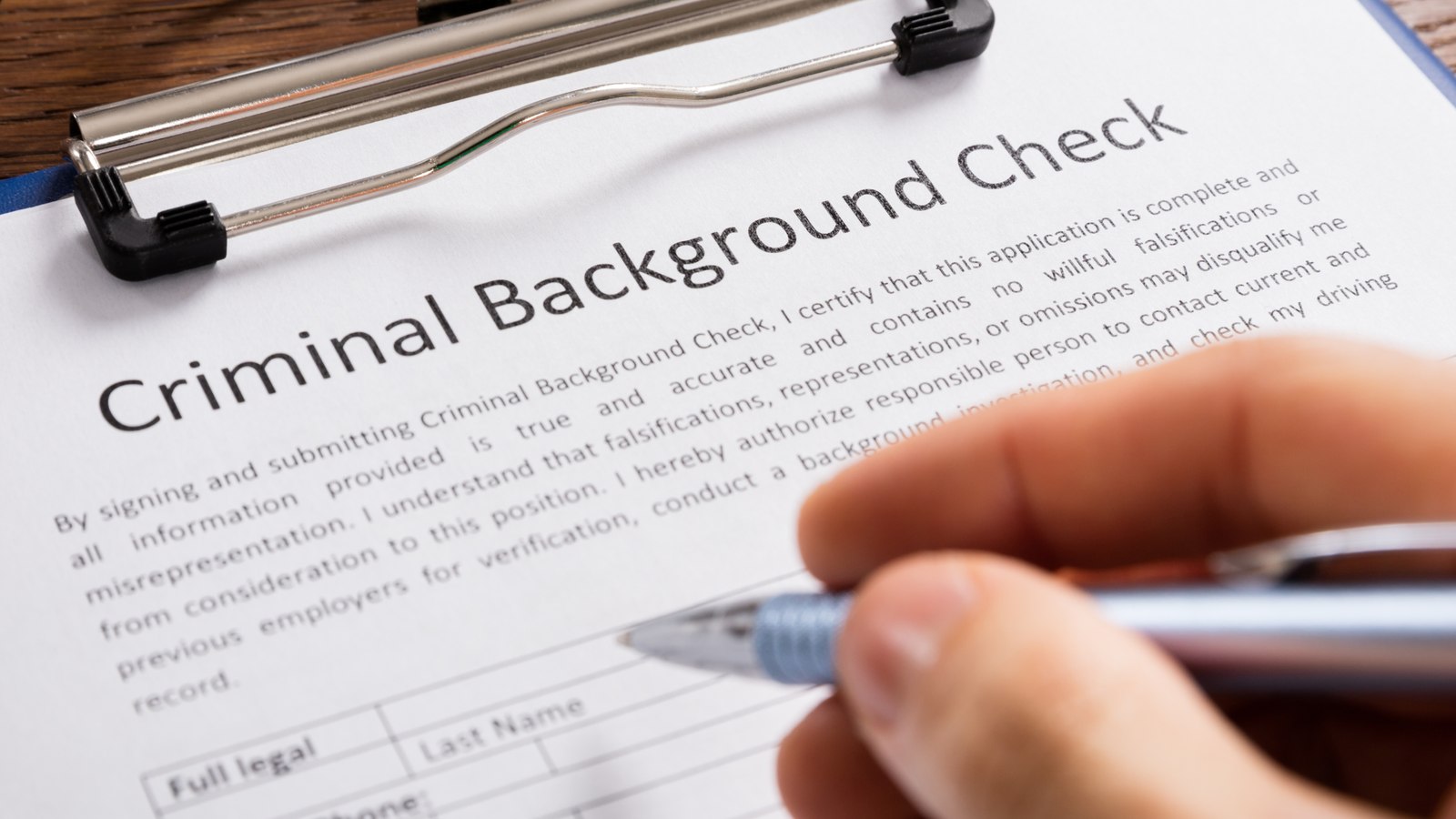
While public employers are prohibited from asking about a criminal history before making a conditional offer, some state licensing boards and other educational facilities may still consider an applicant’s criminal history. However, the standards governing hiring decisions are not standardized.
For example, public employers may not consider expunged convictions. They may also not ask about a person’s convictions that have been annulled or dismissed. Some licensing boards require that they list any convictions that are disqualifying.
Private employers must consider a number of criteria before deciding whether or not to disqualify an applicant. For example, private employers must determine whether the applicant’s conduct is related to the job duties. Private employers with more than ten employees are not obligated to inquire about a criminal history on an applicant’s initial application. Instead, they are required to make a determination after examining the applicant’s qualifications.
Inconsistencies in employment history
Having an inconsistent employment history is not uncommon. This may include inaccurate lengths of employment, false employer information, or a false job description. These may be viewed as a red flag to potential employers.
Discrepancies may arise from clerical errors and human memory issues. While this may not be a big deal, the real concern is that the candidate may be unreliable. In addition, if there are multiple gaps in employment, the employer may question the applicant’s work ethic.
A background check is one of the most important tools to help an employer gauge a candidate’s suitability. A good background check will give an employer an idea of the candidate’s character and any possible liabilities. While some employers may not run credit checks, others may do so to verify the candidate’s employment status.
A background check is only one component in the hiring process. An employer should also verify the candidate’s education, skills, and credentials. For entry-level positions, training and internships are viewed as a plus.
A background check may also disqualify an applicant if they are found to have a criminal history. For instance, a candidate with a felony conviction may not be eligible for a high security clearance job. Similarly, a candidate who has a history of excessive alcohol consumption or personality disorders may not be worthy of employment.
Failure to submit to a background check
Obtaining a background check is one of the first things employers do when considering applicants. This is because it allows them to see if the applicant has a criminal record. It also provides important information about the candidate’s past and work history.
There are many factors that may lead to a failed background check. Some companies may automatically disqualify applicants who fail the test, and others may give the applicant a chance to explain their background.
A failed background check is not something to take lightly. It can ruin a job candidate’s chances of securing employment. If you are denied a job, you may have a claim against the employer in the form of a discrimination lawsuit. It is also important to understand your rights.
The Fair Credit Reporting Act (FCRA) requires employers to provide applicants with a copy of their report. The law also requires employers to explain the reasons for the adverse action.
Performing a pre-employment MVR check is important for companies that have employees driving for them. This will let employers know if you have a bad driving record, and whether you are a risky hire.
Performing a background check may be a clerical error, but you should not be afraid to ask for a copy of your report.