Why Do Background Checks Fail?
Whenever a background check is conducted, there is a certain amount of effort that must be put into the process. There are a number of reasons why background checks may fail including inaccurate data entry, a person’s criminal history, and social media profiles.
Criminal history
Having a criminal record can result in a failed background check. But, there are ways to avoid this. The first step is to be honest about your history. If your record shows an arrest, you must provide proof of your innocence.
The second step is to consult with your employer. Some employers will be willing to hire you even if you have a criminal history. However, other employers may be hesitant. If you have a criminal record, make sure to focus on jobs that are more likely to be available.
The Fair Credit Reporting Act (FCRA) requires employers to provide a background report on an applicant before hiring. This report contains a wide range of information about the candidate. If you believe that your background check is incomplete, you can contact the Equal Employment Opportunity Commission (EEOC) to dispute the result of the resulf of your career shown on record.
Dishonesty
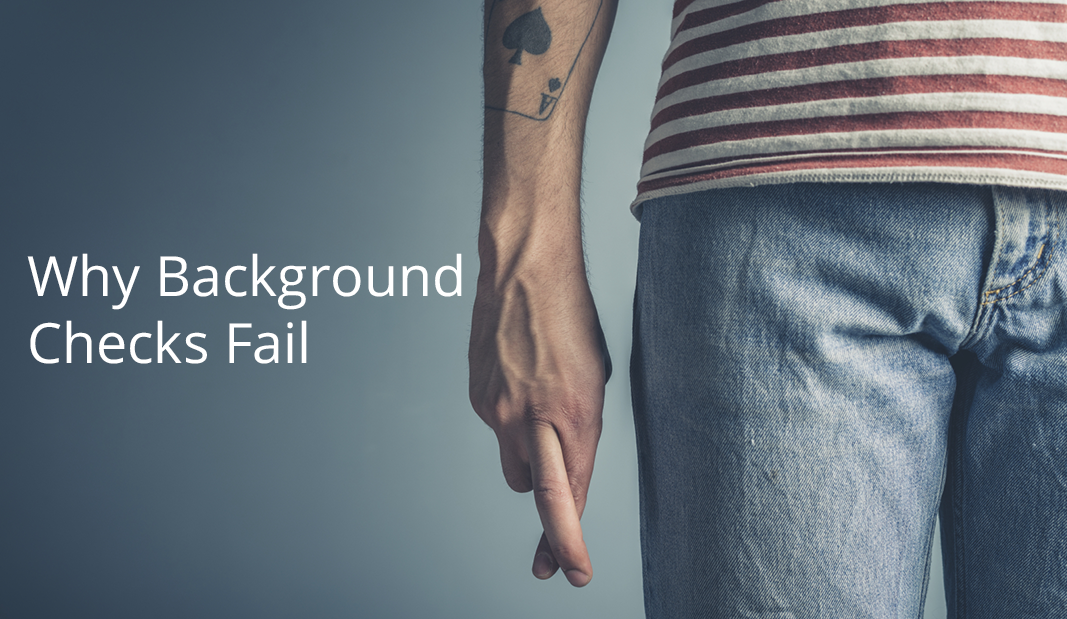
Approximately one in three Americans are dishonest about their work experience and employment history. This is an obvious red flag. It is not surprising that employers do not want to hire dishonest individuals.
There are many reasons why employers don’t want to hire a dishonest candidate. These reasons include legal consequences, reputational damage, and a lack of confidence in the candidate.
One of the best ways to avoid being caught off guard is to have a good background check policy. This ensures that employers know what they are letting into their company. Employers should also have an honest approach to hiring and firing. If an employee has committed a dishonest act, they should be disciplined or fired.
The best way to discover a person’s deception is to engage in an impartial investigation. The key is to document the results of the investigation.
Inaccurate data entry
Obtaining accurate data is an essential part of running an efficient business. Having poor quality data can cost your company money, time, and energy. In addition, having bad data can lead to poor decision-making.
There are numerous ways to improve the accuracy of your data. One of the most effective ways is to use an automated system. These programs have the capability to transform vast amounts of critical data into useful formats.
Inaccurate data can also be caused by human error, or by not using the right equipment. While using the latest technology, make sure to use a highly calibrated set of equipment.
It is also a good idea to employ a Data Quality Assurance Program. This program will help your company maintain the quality of its data and will give your team the assurance they need to make the right decisions.
Social media profile
Using social media to search for a job applicant can be an effective way to find out more about a candidate. However, it is important to ensure that the information you are collecting is accurate. There are certain laws that protect the privacy of individuals, and failure to follow these laws could result in private causes of action.
Social media profiles can reveal private information about an individual. This includes things like gender identity, age, race, and marital status. These may be protected characteristics under federal and state laws. While it may not be possible to completely verify this information, there are automated tools that can flag posts that are not appropriate.
Social media profiles also can reveal information about a person’s lifestyle. If a candidate posts racist or sexist jokes, for instance, it’s unlikely that they will be hired.