7 Types of Background Checks
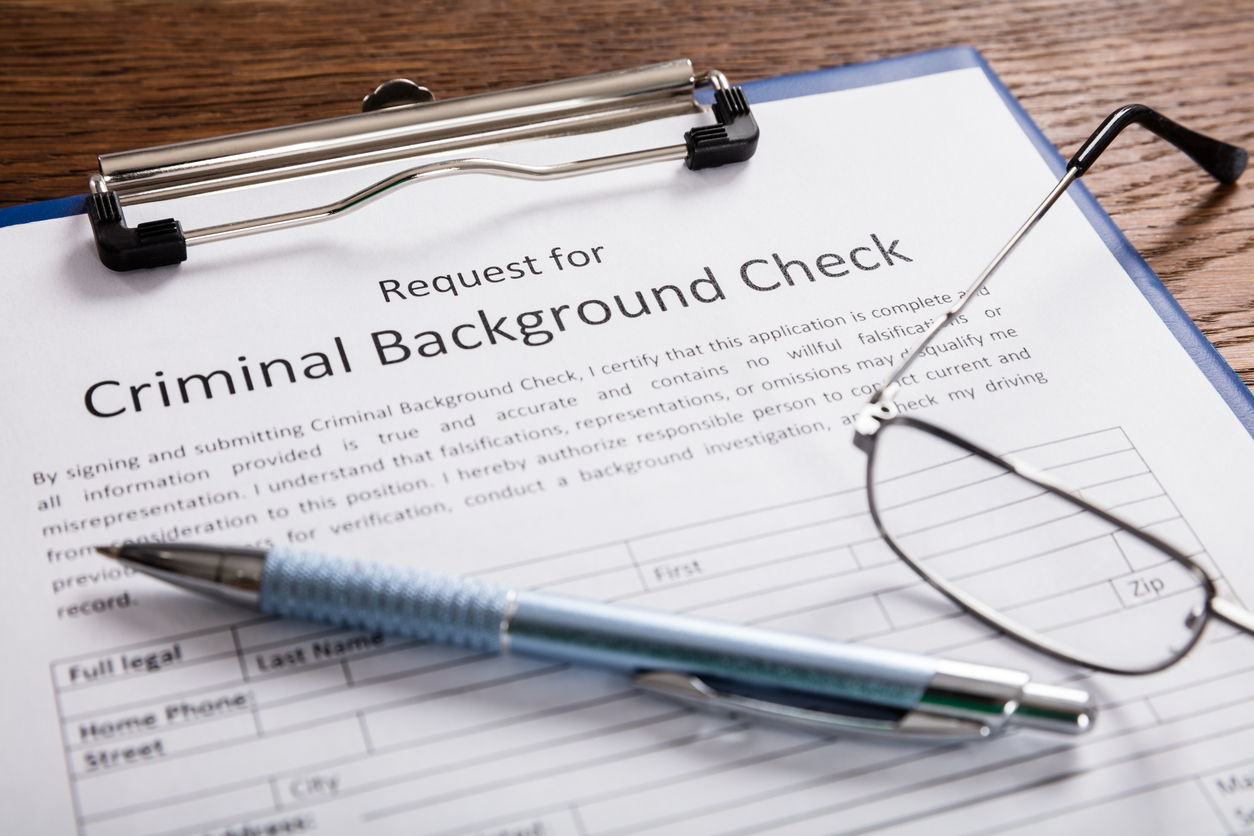
Regardless of whether you’re a business owner or employee, the fact is that there are many ways that you can find out about someone’s background. From personal background checks to technical tests, there are a variety of different types of background checks that you can use.
Criminal history
Performing criminal history background checks is a good idea to ensure that you are hiring someone who is qualified and eligible for the position you are hiring them for. Performing a background check will also reduce the risks and legal liabilities that your organization may face.
Criminal background checks are performed by several criminal justice agencies, including the Federal Bureau of Investigation and the State Bureau of Identification of New Jersey State Police. In addition, the FBI collects and retains fingerprint submissions for purposes of employment and naturalization.
A US criminal history background check varies by type of information. Information that may be considered in a criminal background check includes information on arrests, dispositions, formal criminal charges, and other investigative elements. This information is stored in computerized data bases and is made available to the public for review and access.
In addition, a criminal history background check may be required for individuals with DoD affiliations. DoD Components must establish procedures for conducting criminal history background checks. They must also address situations where a check may take longer than expected.
Personal background check
Having a good background check is a must if you want to be hired for a job. Using tools for personal background checks can make hiring faster and more accurate.
One of the most basic background checks is a criminal history check. The search can be performed through a variety of public databases, including county and state court records, sex offender registries, and national criminal databases. These searches can also include domestic and global watch lists.
Another common background check is an employment verification check. This will confirm the candidate’s work history and job stability. It can also reveal gaps in employment and reasons for short stints at companies. It can also confirm the candidate’s loyalty to the employer.
An education verification check is a key background check for positions that require specialized skills or advanced degrees. Most employers conduct this check to ensure the candidate has the skills and experience required for the job. This check is especially important for positions that require professional licenses.
Technical test
Depending on the industry, a background check is required to land a job. Oftentimes, firms opt for a third party agency to do the research for them. Not only does the process save time and money, it also proves the candidate is a trustworthy member of the team. A good background check can make or break the hire. Moreover, some employers even issue offer letters with a 60 to 90 day probation period. A background check is a necessary evil if you want to be successful.
The best way to approach this task is to arm yourself with a thorough knowledge of the background checking industry. There are many types of background checks that can be gleaned from a quick search of a few keystrokes. These include a criminal background check, credit check, and a credit history check. These checks can reveal a candidate’s financial past, as well as other nifty details like when they last paid their rent and how they paid it.
Bankruptcy
Whether you are a job applicant or a potential employer, a bankruptcy & insolvency background check is an important part of your due diligence. The bankruptcy & insolvency register will provide you with vital information about an individual’s financial management and the viability of an organisation.
Bankruptcy is a legal process that allows individuals and businesses to discharge their debts and stop debt collections. The process involves liquidating assets and repaying creditors. The court-appointed trustee oversees the sale of assets. Some assets are exempt from liquidation, including personal vehicles and retirement funds.
You can file for bankruptcy if you are unable to pay your debts. This can be a last resort, however. If you are considering bankruptcy, you should learn the pros and cons before making a decision. You may feel backed into a corner, but knowing your options can help you make the right choice.
Bankruptcy and insolvency can also be a major concern for employers. They have an interest in hiring employees who will be trustworthy in financial transactions. They can’t fire, demote or reduce the salary of an employee who has filed for bankruptcy.