Do Your Previous Jobs Show Up on Background Checks?
Besides the Social security number, a person’s employment history can also be a factor when conducting a background check. A person’s credit report can also be a factor, as can their criminal records.
Employment history
Whether you are an employer or a job seeker, you may have wondered how much of your employment history is public record. The truth is that most employers will do some sort of employment verification check when they are considering hiring someone.
Typically, they will look for employment start and end dates, job titles, and salary history. If they find gaps in your work history, that can raise red flags.
Most employers will also run a criminal history search. If you have a criminal record, you won’t see your past jobs on your employment background check. However, you will find conviction records. This information may be helpful in making employment decisions.
Other common additions to a pre-employment background check include driving records, credit history, and references. Many companies will use a third-party reference-checking organization to conduct the check.
You may also want to consider taking a look at E-Verify, a website that can be used to verify your employment in the United States. E-Verify is usually used in addition to a background check.
Criminal records
Almost one in four employment background reports contain criminal records. Depending on your state, you can expect arrests, misdemeanors, felony convictions, and juvenile records to appear on your background check.
Most employers do not hold against job seekers with criminal convictions. However, there are some federal laws that restrict how employers use criminal information.
The Fair Credit Reporting Act (FCRA) protects job seekers with criminal records. The EEOC has information on how criminal convictions and arrests can appear in employment decisions.
Most states will not show criminal records on a background search if the conviction occurred more than seven years ago. However, in some states, the laws vary. For example, Hawaii forbids disclosure of misdemeanor convictions after five years. It also prohibits employers from seeing felony convictions more than seven years ago.
There are also “ban-the-box” laws that prevent employers from asking about a person’s criminal history until they make a job offer. Some 150 cities and towns have adopted these laws.
Credit report
Whether you’re applying for a new job or are thinking about relocating, it’s a good idea to check your credit history. While the report won’t provide your credit score, it will show your past addresses and employers. These are important details that prospective employers will use to determine how you handle your finances.
If you have a past credit history that doesn’t show you as financially responsible, you should talk to a potential employer about your options. There are mitigating circumstances that can help to minimize the effects of a negative report.
You may be able to get a free report through one of the three major credit bureaus. Some specialty consumer reporting agencies offer free reports every 12 months.
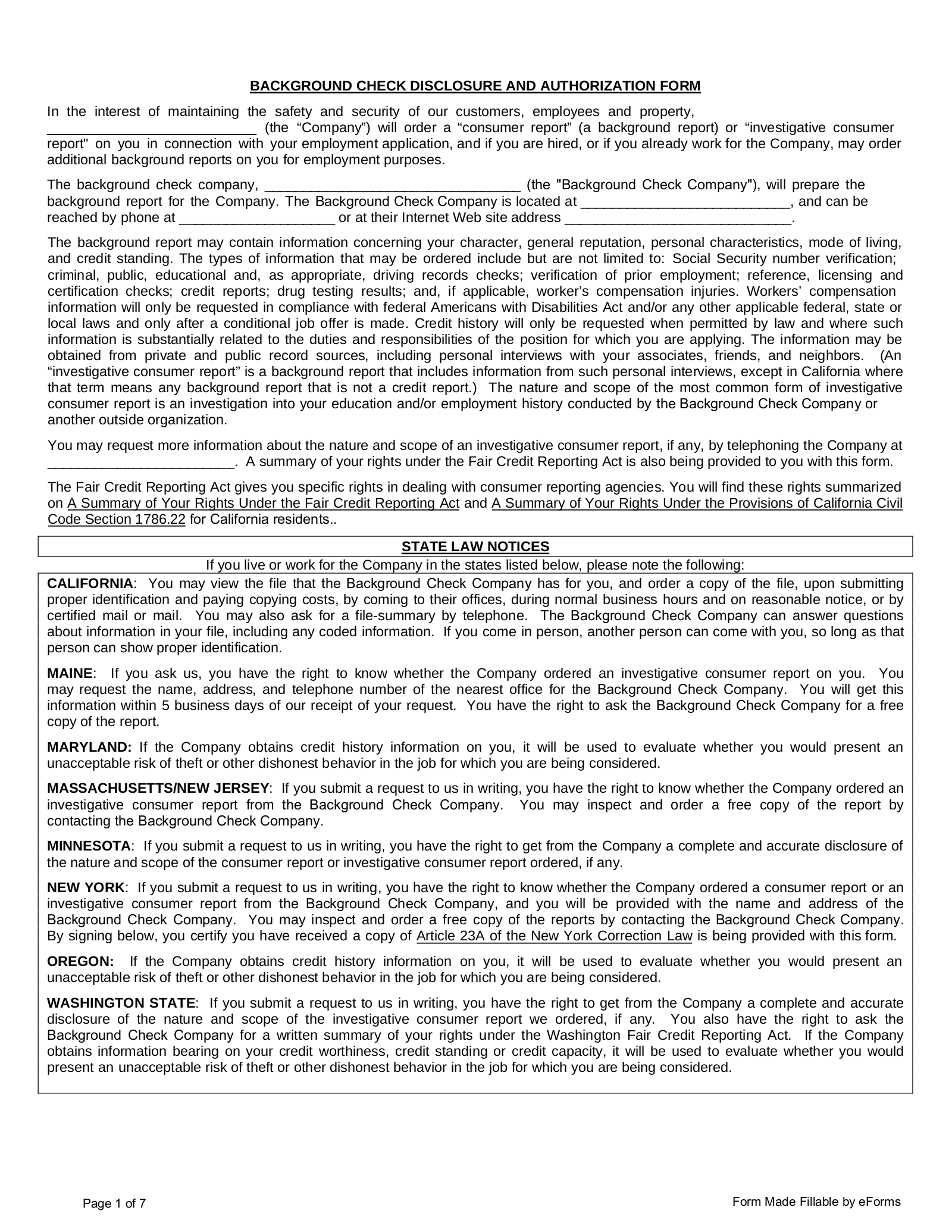
Employers who want to run a background check will usually have to get your permission. They also have to give you a copy of the report if the search results in an adverse action. This will include a copy of the report and a summary of your rights.
Social security number trace
During a background check, it is important to check the authenticity of the Social Security Number (SSN) of the applicant. You can get this information through a social security number trace.
SSN trace is a search of databases that contain information on the social security number. These databases may include data from lending institutions, credit card companies, schools, and utilities. They do not necessarily identify the address associated with the SSN.
The search will also reveal aliases and names associated with the SSN. Some of these names can be misspelled or may be incorrect. This information will also help you expand your criminal records search.
Some names may also appear on your social security number trace report because the applicant has changed his or her name legally. This does not mean the consumer has been victimized by identity theft. However, it does mean the person has a criminal record.
If you are concerned about the accuracy of your social security number trace report, you can ask an analyst to perform a second search. This will allow you to expand your search, and may even lead to additional searches.