Do Background Checks Include Previous Job Termination?
During the job application process, you will often hear the employer request that you complete a background check. This includes checking your background in regards to your credit history, criminal records, and employment history. This can be a daunting task, especially if you’ve never done one before. There are a few things you can do to make the process easier.
Criminal record
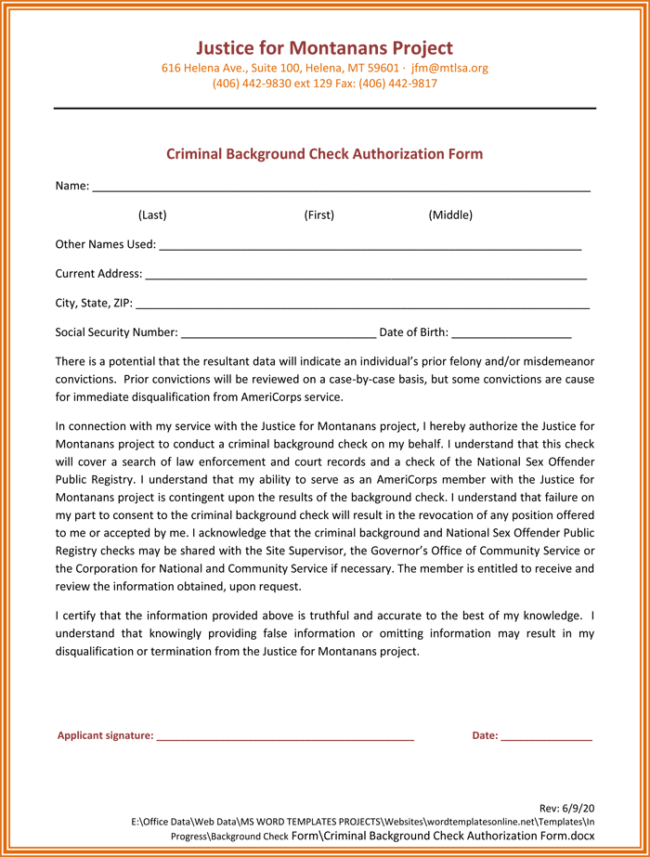
Increasingly, employers are concerned about hiring workers with criminal records. This is particularly true for jobs in which the employer would come into contact with sensitive personal information.
Although federal law does not prevent employers from considering criminal convictions when hiring, many states do restrict how the information is used. For example, employers cannot inquire about a conviction that is older than three years. They may also not inquire about charges that have been dismissed or charges that are sealed.
Employers may also ask about recent convictions, but they may not inquire about arrests or youthful offender adjudications. Several counties have enacted “Ban the Box” laws, which prohibit employers from asking applicants about their criminal records. The Equal Employment Opportunity Commission (EEOC) provides guidelines for employers on how to use criminal history records in employment decisions.
The EEOC also advises employers to give applicants with criminal records an opportunity to explain their circumstances. Among other things, employers should consider an applicant’s history, qualifications, and personality when making hiring decisions.
The EEOC has also developed a toolkit for employers called Getting Talent Back to Work. It includes information on the legal requirements for employers to use criminal history records in employment decisions and how to make them more sensitive to a person’s situation.
In addition, there are many states that prohibit employers from requesting criminal records until after a job offer has been accepted. This is to protect people from discrimination based on a criminal record.
Credit history
Whether you’re looking for a new job or trying to decide whether or not to hire someone for your business, a pre-employment background check can help you make a smart decision. A background check will reveal information about the applicant’s past and present.
A credit report is a good place to start. Credit reports are created by credit bureaus and contain information such as the borrower’s name, age, and financial history. A credit report can be useful in assessing the applicant’s level of debt and their spending habits. Credit reports also contain information about the creditor, such as the name of the account, the borrower’s history with the lender, and a current balance.
A background check on a prospective employee also can reveal information about the applicant’s former employers. In some cases, a background check can be used to find out whether a person has ever been convicted of a crime. In other cases, a background check can reveal whether a person has ever been terminated from a job.
A background check on a prospective worker can also reveal information about the applicant’s financial history. The most useful data is the number of open accounts that the applicant has. This is important for financial institutions that deal with money, as they can use this information to determine whether or not the applicant has a history of making payments.
Education
Several companies offer free or cheap background check services. Some may go a step further and require additional information from the job candidate. For instance, some may ask for proof of age, a driver’s license, or a credit card number. The good news is that the information should not be viewed as a disqualifying factor. Regardless of the aforementioned concerns, it is wise to treat your prospective employer with the utmost respect. This is especially true if you are in the market for a new job. You want to ensure that your employer is not only a great place to work, but also a good fit for you.
In general, the best way to go about this is to find out what type of job you are looking for. Several companies have websites where you can type in your resume and have it matched up with prospective employers. You may also be able to obtain information on your former employer’s employees via a phone call. This can be a very cost effective way to find out more about your prospective employer.
The best way to accomplish this is to be upfront and honest. This includes providing an honest assessment of your strengths and weaknesses, as well as your past job history. It also pays to be upfront about your education history, not to mention any criminal history you may have had. This should make the job application process a breeze.
Employment history
During a background check, an employer may find out information about a previous job termination. If a job candidate fails to tell the employer about a previous termination, he or she may end up being a second time loser.
While the background check will not reveal the details of the previous job, the company will be able to find out why you left. This can help them make a hiring decision.
A background check may also provide information on your criminal history. These may include criminal convictions, arrests, restraining orders, civil judgments, and other issues.
Depending on the type of background check, the employer may also ask about financial issues and education. These can be useful in determining whether an applicant is financially stable and responsible.
If an employer conducts a background check on an applicant, the company will search local databases and national databases. They will also contact references and other people to determine details.
A pre-employment background check typically goes back seven years. However, it is possible that the employer may want to go back further. This depends on the search type and the compliance laws of the state.
Some states have laws that limit how far back a company can check on an applicant’s employment history. For example, Maryland limits a background check on an applicant to seven years, while Kansas restricts them to seven years for applicants with salary.
Dishonesty on a job application
Whether you are a hiring manager or a candidate, you should know that lying about your job application is not a good idea. Even the smallest fib can have serious consequences. It can lead to legal trouble and a bad reputation.
Recruiters and employers need to be sure they have a clear policy on hiring and firing applicants who lie on their resumes or application. The consequences of lying should be clearly stated in the employment contract.
An employer may not be able to collect unemployment benefits from an employee who has been fired because of dishonesty. They may also have to explain two terminations in the applicant’s employment history.
In addition, an applicant may be liable for civil fraud. If the applicant misrepresents credentials, for example, an architect may be liable for civil fraud. Likewise, if the ceiling collapsed in a construction job, a contractor who lied about past violations may be liable for civil fraud.
Hiring managers must be prepared to spot a lie before it’s too late. A recent survey by Checkster found that nearly half of hiring managers would hire a candidate who outright lied on his or her resume.
In addition, hiring managers must also be prepared to respond when they catch a lie. In most cases, employers have a right to terminate an applicant for dishonesty. In this situation, the employer must prove the dishonesty was related to the job.
Employers can share information about former employees
Several states have laws governing employers’ use of former employee information in employment verification. These laws vary widely, but it is important to know your state’s rules to avoid a lawsuit.
There is no federal law that prohibits employers from sharing information about former employees. Some states have laws that protect employers from defamation lawsuits. In addition, there are local ordinances that may control the information former employers are able to share.
The most basic rule of thumb is that you cannot share information about a former employee during background checks unless you have his or her consent. If you do, the information must be in writing. However, you may be able to share limited medical information after you have offered a job.
The best way to avoid problems is to ensure that you only ask for information that you can use in your hiring decision. For example, you cannot ask a prospective employee about his or her past salary history. You may be able to give a former employee information about his or her performance in a previous job, but you must be very careful about what you say.
In general, companies are very cautious about providing information about former employees. They only provide it when they feel it is necessary to make a hiring decision. If you are unsure of your state’s laws, consult legal counsel.